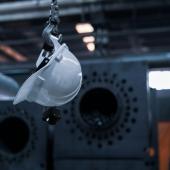



Running a successful business necessitates diligent adherence to safety standards to protect your workforce and ensure legal compliance.
To ensure your business meets the most prevalent safety regulations, consider the comprehensive list below.
Regular electrical testing for your business is vital. It identifies hazards, prevents malfunctions, and reduces fire and accident risks, safeguarding people and assets. Compliance avoids penalties, while timely testing prevents downtime by spotting issues early. This proactive approach boosts employee morale, productivity, and stakeholder trust. Demonstrating your commitment to safety through testing enhances your reputation. Make this investment for sustained operational excellence and peace of mind. Hexo Electrical Testing offers electrical safety checks and certificates to make sure your business is following regulations.
Electrical Testing
Regular electrical testing for your business is vital.
It identifies hazards, prevents malfunctions, and reduces fire and accident risks, safeguarding people and assets.
When conducting risk assessments for your business, identify potential hazards across your operations. Consider equipment, processes, and external factors. Evaluate risks based on likelihood and severity, then put measures in place to reduce them. Regularly update assessments to address changes. Involve your employees as their insights are valuable. Document findings and actions taken. Effective risk assessments create a safer workplace, prevent accidents, and ensure compliance. They also improve decision-making, safeguard your reputation, and contribute to your overall business success and longevity.
This proactive approach boosts employee morale, productivity, and stakeholder trust.
Demonstrating your commitment to safety through testing enhances your reputation.
Make this investment for sustained operational excellence and peace of mind. Hexo Electrical Testing offers electrical safety checks and certificates to make sure your business is following regulations.
Establishing clear fire procedures for your business is crucial. Designate evacuation routes, assembly points, and appoint responsible personnel to guide during emergencies. Ensure employees understand alarm systems and evacuation protocols through regular drills and training. Maintain accessible fire extinguishers, alarms, and emergency contacts. Regularly inspect and maintain fire safety equipment. Create a communication plan to keep everyone informed during crises. Address special needs of employees and visitors. Document procedures and conduct annual reviews to ensure relevance and effectiveness. By prioritising well-defined fire procedures, you protect lives, minimise damage, and comply with safety regulations, ensuring a safer work environment for all.
Adhering to stringent food hygiene safety standards is non-negotiable for any business in the food industry.
Stringent handling, storage, and preparation protocols are essential to prevent foodborne illnesses.
Regular staff training on hygiene practices and cross-contamination prevention is paramount.
Effective temperature control for perishable items significantly reduces bacterial growth, preserving the integrity of the food.
Regular cleaning and sanitation of equipment and premises are essential to curb the spread of contaminants.
Compliance with local health regulations is vital for building trust among customers and avoiding legal ramifications.
By prioritizing food hygiene safety, businesses foster a safe and reputable environment, ensuring consumer well-being and the longevity of the enterprise.
Carrying Out Risk Assessments
When conducting risk assessments for your business, identify potential hazards across your operations.
Consider equipment, processes, and external factors.
Evaluate risks based on likelihood and severity, then put measures in place to reduce them.
Regularly update assessments to address changes.
Involve your employees as their insights are valuable.
Document findings and actions taken.
Effective risk assessments create a safer workplace, prevent accidents, and ensure compliance.
They also improve decision-making, safeguard your reputation, and contribute to your overall business success and longevity.
Staff Training
Investing in staff training significantly elevates your business's safety culture.
Equipping your team with knowledge about proper procedures, equipment usage, and emergency protocols empowers them to handle potential risks effectively.
Through training, employees learn to identify hazards, prevent accidents, and respond adeptly to emergencies.
Regular training fosters a safety-conscious culture, promoting awareness and accountability.
Well-trained employees ensure compliance with regulations, thereby reducing legal liabilities.
Moreover, improved safety measures bolster morale, productivity, and employee retention.
Prioritizing staff training creates a secure environment that safeguards your workforce, customers, and assets, further enhancing your business's reputation for excellence.
Fire Procedures
Establishing clear fire procedures for your business is crucial.
Designate evacuation routes, assembly points, and appoint responsible personnel to guide during emergencies.
Ensure employees understand alarm systems and evacuation protocols through regular drills and training.
Maintain accessible fire extinguishers, alarms, and emergency contacts.
Regularly inspect and maintain fire safety equipment.
Create a communication plan to keep everyone informed during crises.
Address special needs of employees and visitors.
Document procedures and conduct annual reviews to ensure relevance and effectiveness.
By prioritising well-defined fire procedures, you protect lives, minimise damage, and comply with safety regulations, ensuring a safer work environment for all.
Upholding safety standards is a continuous endeavor that requires vigilance, dedication, and the willingness to adapt to changing circumstances.
By consistently implementing best practices and staying attuned to emerging safety trends, you not only create a secure environment but also contribute to a positive and thriving workplace atmosphere.