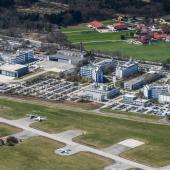



Facilities Management (FM) is a vital discipline within organisations, encompassing a wide range of services aimed at ensuring that the built environment is functional, safe, and efficient.
As the complexity of buildings and the demands of occupants increase, the role of facilities management has evolved to meet these challenges.
Facilities management can be broadly defined as the integrated management of physical buildings and their support services. The International Facility Management Association (IFMA) describes FM as the "practice of coordinating the physical workplace with the people and work of the organisation" (IFMA). This definition emphasises the importance of aligning facilities with organisational goals, highlighting the multifaceted nature of FM.
Defining Facilities Management
Facilities management can be broadly defined as the integrated management of physical buildings and their support services.
- Maintenance and Operations
- Regular maintenance and repair of facilities are essential to ensure operational efficiency and safety. This includes preventive maintenance, routine inspections, and emergency repairs.
- According to the Building Maintenance and Management report, effective maintenance can extend the lifespan of assets by up to 30% (BMM).
- Space Management
- Space management involves the effective allocation and utilisation of space within a facility. This includes space planning, utilisation tracking, and the design of workspaces to meet the needs of employees.
- Research by the Leesman Index indicates that effective space management can lead to increased employee productivity and satisfaction (Leesman, 2020).
- Health and Safety
- Facilities managers are responsible for implementing health and safety measures to protect occupants. This includes conducting risk assessments, ensuring compliance with health and safety regulations, and providing training to staff.
- The Health and Safety Executive (HSE) reports that effective safety management can significantly reduce workplace accidents (HSE).
- Sustainability
- Sustainability is a growing focus within facilities management, with managers adopting eco-friendly practices and technologies. This includes energy management, waste reduction, and water conservation initiatives.
- According to the World Green Building Council, sustainable buildings can reduce energy use by up to 50% (WGBC, 2019).
- Vendor Management
- Facilities managers often work with various service providers, including cleaning, security, and maintenance contractors. Effective vendor management ensures that services are delivered to a high standard and within budget.
- A report by the National Association of Realtors suggests that strategic vendor relationships can enhance service delivery and reduce costs (NAR, 2020).
- Technology Integration
- The integration of technology into facilities management is transforming the industry. Building Management Systems (BMS), Internet of Things (IoT) devices, and data analytics are increasingly being used to optimise building performance.
- A report by McKinsey & Company highlights that organisations employing AI and IoT in FM can enhance operational efficiency by up to 30% (McKinsey, 2020).
This definition emphasises the importance of aligning facilities with organisational goals, highlighting the multifaceted nature of FM.
Core Functions of Facilities Management
Facilities management encompasses several key functions:
This includes preventive maintenance, routine inspections, and emergency repairs.-item wp:list-item
- wp:list-item
- Space management involves the effective allocation and utilisation of space within a facility.
This includes space planning, utilisation tracking, and the design of workspaces to meet the needs of employees.-item wp:list-item
- wp:list-item
- Facilities managers are responsible for implementing health and safety measures to protect occupants.
This includes conducting risk assessments, ensuring compliance with health and safety regulations, and providing training to staff.-item wp:list-item
- wp:list-item
- Sustainability is a growing focus within facilities management, with managers adopting eco-friendly practices and technologies.
This includes energy management, waste reduction, and water conservation initiatives.-item wp:list-item
- wp:list-item
- Facilities managers often work with various service providers, including cleaning, security, and maintenance contractors.
Effective vendor management ensures that services are delivered to a high standard and within budget.-item wp:list-item
- wp:list-item
- The integration of technology into facilities management is transforming the industry.
Building Management Systems (BMS), Internet of Things (IoT) devices, and data analytics are increasingly being used to optimise building performance.-item wp:list-item
The Evolution of Facilities Management
{"level":3}Historical Context
Historically, facilities management focused on reactive maintenance and basic operational tasks.
Facilities managers primarily acted as caretakers, ensuring that buildings were safe and functional.
- Operational Savings
- By implementing preventive maintenance and efficient resource management, organisations can significantly reduce operational costs. According to the IFMA, organisations can save up to 30% on maintenance costs by adopting proactive strategies (IFMA).
- Energy Efficiency
- Facilities management plays a vital role in managing energy consumption. Sustainable practices, such as implementing energy-efficient systems and utilising renewable energy sources, can lead to substantial cost savings. A study by the Carbon Trust found that businesses could save up to 20% on energy bills through effective energy management (Carbon Trust).
The Shift to Strategic FM
A well-managed environment contributes to employee satisfaction and productivity. A report by Leesman found that well-designed workplaces can boost productivity by up to 20% (Leesman, 2020). Key factors influencing productivity include:
According to a report by JLL, 73% of facilities managers believe they are critical to driving organisational strategy (JLL, 2020).
This shift reflects the recognition that the physical workplace directly impacts employee productivity, engagement, and overall organisational performance.
The Impact of Globalisation and Technology
Globalisation and technological advancements have further influenced the evolution of facilities management.
With growing awareness of climate change and environmental issues, sustainability has become a core focus for facilities management. Implementing sustainable practices not only helps organisations reduce their carbon footprint but also enhances their corporate social responsibility profile. According to the World Economic Forum, organisations that prioritise sustainability can improve brand loyalty and attract top talent (WEF, 2021).
Furthermore, technology has enabled facilities managers to streamline operations, reduce costs, and enhance the occupant experience.
The Importance of Facilities Management
Effective facilities management is crucial for organisations for several reasons:
Cost Efficiency
According to the IFMA, organisations can save up to 30% on maintenance costs by adopting proactive strategies (IFMA).-item -item wp:list-item
- wp:list-item
- Facilities management plays a vital role in managing energy consumption.
Sustainable practices, such as implementing energy-efficient systems and utilising renewable energy sources, can lead to substantial cost savings.
A study by the Carbon Trust found that businesses could save up to 20% on energy bills through effective energy management (Carbon Trust).-item -item {"level":3}
Enhanced Employee Productivity
A well-managed environment contributes to employee satisfaction and productivity.
As sustainability becomes an organisational imperative, facilities managers will play a key role in driving green initiatives. This includes adopting renewable energy sources, implementing waste reduction strategies, and pursuing certifications such as BREEAM and LEED. A report by the Global ESG Benchmark for Real Assets (GRESB) indicates that sustainable buildings often command higher rental rates and have lower vacancy rates (GRESB, 2021).
Key factors influencing productivity include:
Risk Management
Facilities management is essential for identifying and mitigating risks associated with the built environment.
This includes compliance with health and safety regulations, emergency preparedness, and disaster recovery planning.
A robust risk management strategy can protect the organisation from potential liabilities and enhance its reputation.
Sustainability and Corporate Responsibility
With growing awareness of climate change and environmental issues, sustainability has become a core focus for facilities management.
Implementing sustainable practices not only helps organisations reduce their carbon footprint but also enhances their corporate social responsibility profile.
According to the World Economic Forum, organisations that prioritise sustainability can improve brand loyalty and attract top talent (WEF, 2021).
- IFMA. (n.d.). What is Facilities Management? Retrieved from IFMA
- BMM. (n.d.). Building Maintenance and Management. Retrieved from BMM
- Leesman. (2020). Leesman Index Report. Retrieved from Leesman
- HSE. (n.d.). Health and Safety Executive. Retrieved from HSE
- WGBC. (2019). World Green Building Council Report. Retrieved from (https://www.worldgb.com)
As the landscape of facilities management continues to evolve, several trends are emerging that will shape the future of the discipline:
1.
Increased Technology Adoption
The integration of technology into facilities management will continue to grow.
Smart buildings equipped with IoT devices can monitor systems in real-time, providing valuable data for decision-making.
A report by Deloitte highlights that organisations leveraging smart technologies can achieve significant operational efficiencies (Deloitte, 2020).
2.
Focus on Employee Experience
The shift towards employee-centric workplaces will influence facilities management strategies.
Facilities managers will increasingly prioritise creating environments that enhance employee experience, satisfaction, and well-being.
This may involve designing collaborative spaces, providing wellness programmes, and ensuring that facilities support flexible work arrangements.
3.
Emphasis on Sustainability
As sustainability becomes an organisational imperative, facilities managers will play a key role in driving green initiatives.
This includes adopting renewable energy sources, implementing waste reduction strategies, and pursuing certifications such as BREEAM and LEED.
A report by the Global ESG Benchmark for Real Assets (GRESB) indicates that sustainable buildings often command higher rental rates and have lower vacancy rates (GRESB, 2021).
4.
Data-Driven Decision Making
The use of data analytics will become increasingly important in facilities management.
By collecting and analysing data on building performance, occupancy patterns, and maintenance needs, facilities managers can make informed decisions that enhance operational efficiency and occupant satisfaction.
Gartner asserts that organisations investing in data analytics can see a return on investment of up to 400% (Gartner, 2021).
5.
Agile and Flexible Workspaces
The rise of remote and hybrid work models necessitates the design of agile workspaces that can adapt to changing needs.
Facilities managers will need to implement flexible space solutions that support collaboration and individual work preferences.
6.
Regulatory Compliance and Industry Standards
As facilities management continues to evolve, staying informed about regulatory requirements and industry standards will be crucial.
Facilities managers must navigate legislation related to health and safety, environmental protection, and energy efficiency to ensure compliance and mitigate risks.
Conclusion
Facilities management is a multifaceted discipline that plays a crucial role in ensuring the functionality, safety, and sustainability of built environments.
As the field continues to evolve, facilities managers will increasingly become strategic partners in achieving organisational goals, driving innovation, and enhancing the overall workplace experience.
By embracing technology, prioritising sustainability, and focusing on employee well-being, facilities management can contribute significantly to the success of organisations in a rapidly changing world.